Blog

These batteries will help housing projects move faster while cutting thousands of tonnes of CO₂ each year.
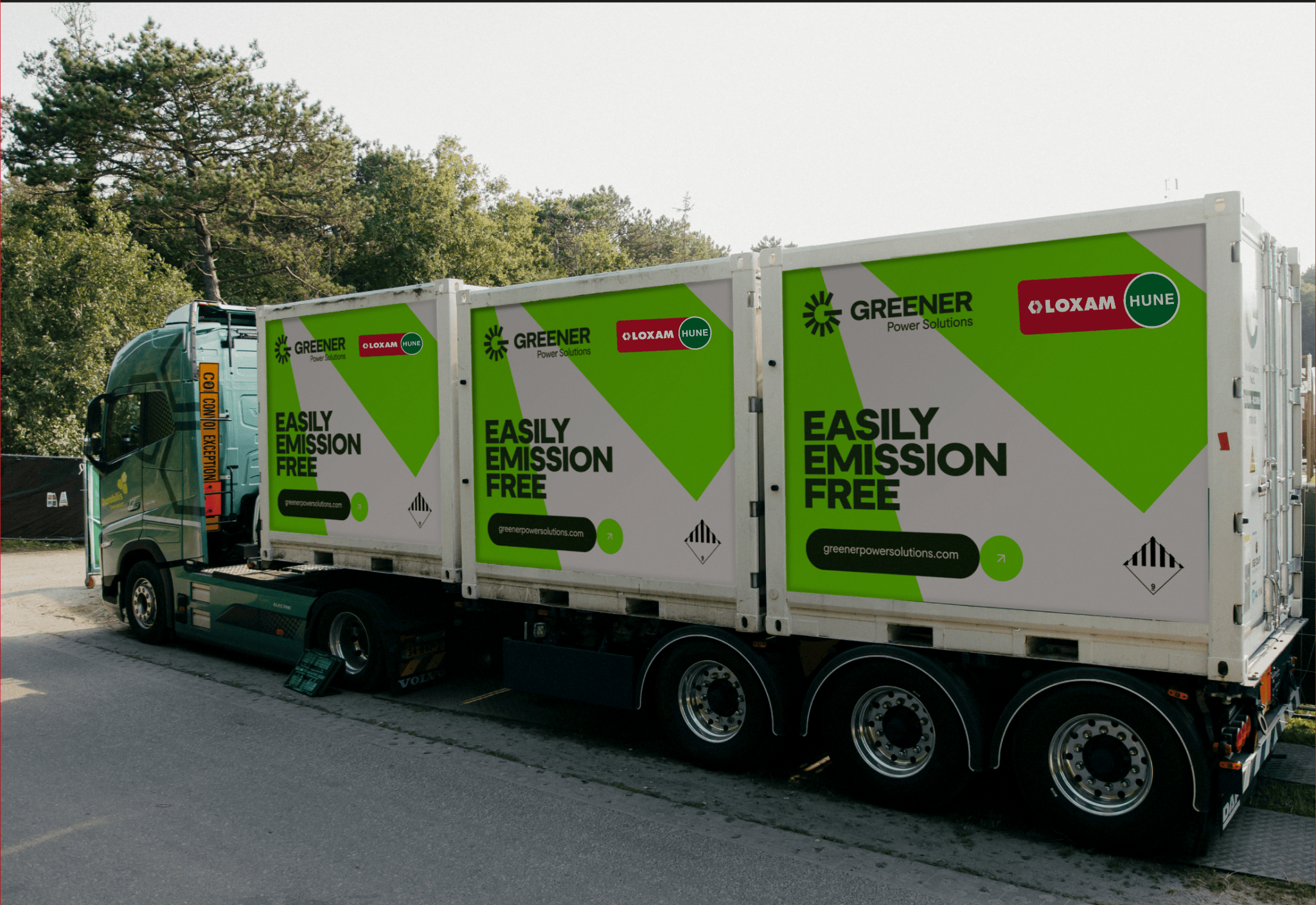
Greener Power Solutions is investing €12 million (around £10,4 million) to expand its fleet with new batteries. This step helps accelerate and decarbonise housing construction: homes that are ready but not yet connected to the electricity grid can now be delivered sooner. The clean power supply also enables developers to obtain permits for projects that were previously halted due to nitrogen emission limits.
The investment comes at a crucial time. Grid congestion is causing delays across multiple sectors, particularly in housing. All over Europe, the electricity grid is at full capacity, preventing thousands of new homes from being connected to the grid and delivered on time. Nitrogen restrictions add further complexity, delaying projects or blocking permits altogether.
By deploying batteries, developers become less dependent on the grid and diesel generators. Batteries supply power only when needed, making them more efficient and reducing emissions. With this investment, Greener expects to save around 6,322 tonnes of CO₂ each year – equivalent to the emissions of 1,400 cars, 800 return flights between Amsterdam and New York, or the carbon absorption of 286,000 trees, enough for a forest the size of 400 football fields.
Tackling the housing shortage through innovation
Greener CEO Jasper van den Driest explains: “Addressing the housing shortage requires innovative solutions. The power grid simply cannot keep up with the growing demand, delaying new housing unnecessarily.” By adopting temporary power solutions with mobile batteries, municipalities, contractors, and housing associations can deliver homes faster – in a cleaner, more efficient, and more affordable way. “This is how we speed up construction and reduce emissions.”
Van den Driest, who was appointed as CEO ealier this year, sees growing awareness, but also hesitation. “Although batteries are cost-efficient and reliable, adoption remains slow because developers have relied on fossil fuels for decades. The government can play a key role in raising awareness and supporting businesses – not just in construction, but across all sectors – to make the energy transition possible together.”

Preventing vacancy in social housing
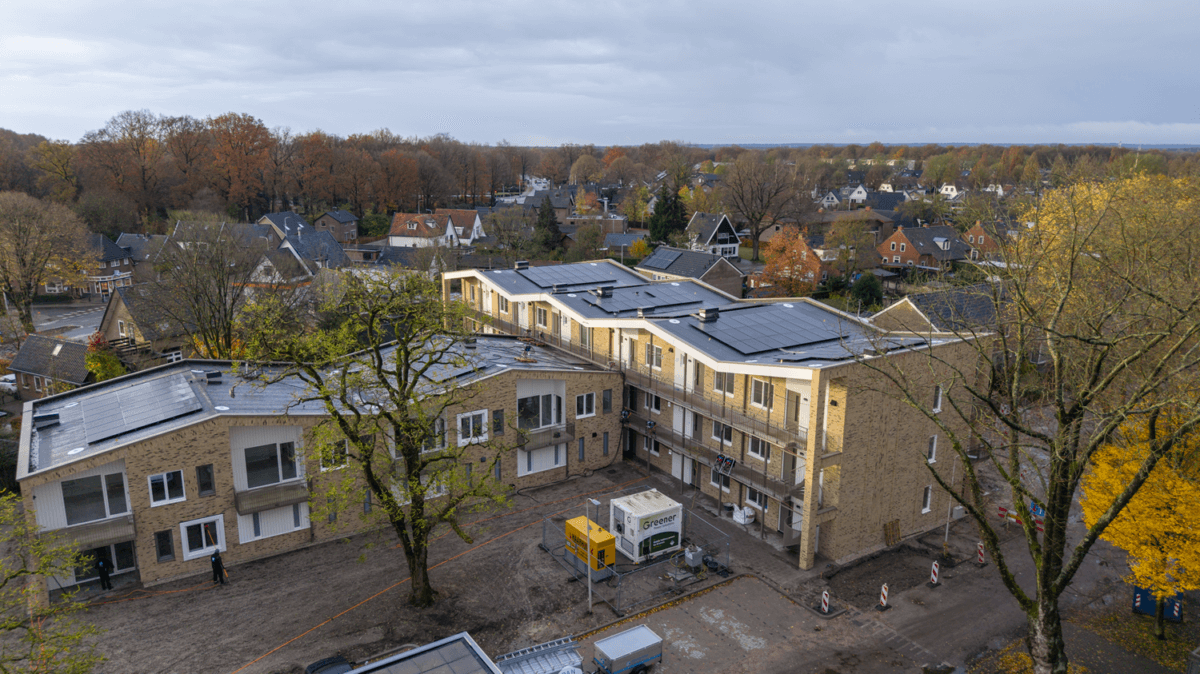
Late last year, forty affordable rental homes from housing association Triada were delivered months ahead of schedule thanks to mobile batteries. The grid operator had indicated that the required grid upgrade would not be completed until March 2025, but two connected batteries provided all apartments with power through temporary distribution boards, allowing residents to move in much earlier.
Next-generation batteries
The new batteries joining Greener’s fleet represent the fourth generation of mobile systems developed and supplied by Dutch manufacturer Alfen. Thanks to continued innovation, each unit now has a capacity of up to 720 kWh per container (previously 422 kWh), with an integrated converter and models starting from 360 kWh. The compact 10ft format remains unchanged, and the batteries fully comply with the upcoming PGS-37.1 safety standard.
With more than 300 kVA of power and the option for a second input, these systems are ideal for sites with unstable grid connections or dual grid access. Combined with Greener’s Energy Management System (EMS), the entire European fleet can be managed and operated smartly and efficiently.