Blog
Battery decommissioning costs for end-of-life systems typically range from £2,000 to £15,000 per MWh depending on battery chemistry, system size, and location. These expenses include removal, transportation, disposal fees, recycling charges, site restoration, and regulatory compliance costs. Proper planning can significantly reduce these expenses through early budgeting, choosing recyclable technologies, and timing decommissioning with favourable market conditions.
What exactly are battery decommissioning costs and what do they include?
Battery decommissioning costs represent all expenses associated with safely removing, transporting, and disposing of energy storage systems at the end of their operational life. These comprehensive costs encompass multiple components that grid infrastructure managers, project developers, and asset owners must account for when planning long-term energy storage investments and lifecycle budgets.
The primary cost components include physical removal expenses for disconnecting and extracting battery systems from their installations, which require certified technicians and specialised lifting equipment. Transportation costs cover moving batteries from site to recycling or disposal facilities under ADR regulations governing hazardous materials, which can be substantial for large utility-scale systems. Battery disposal fees vary significantly based on battery chemistry, with lithium-ion systems requiring specialised certified handling compared to lead-acid batteries, and damaged or deeply discharged cells incurring additional safety surcharges.
Recycling charges form a major portion of decommissioning expenses, particularly for lithium-ion batteries that contain valuable materials like lithium, cobalt, and nickel. Site restoration costs include removing mounting systems, restoring ground conditions, and returning sites to their original state. Regulatory compliance expenses cover environmental assessments, permits, and documentation required by local authorities throughout the decommissioning process.
How much should you budget for decommissioning different types of battery systems?
Lithium-ion battery systems typically require £8,000 to £15,000 per MWh for complete decommissioning, making them the most expensive to remove due to thermal runaway risk, safety requirements, and the need for certified recycling facilities. Lead-acid systems carry a battery disposal cost of £3,000 to £7,000 per MWh, whilst flow batteries range from £5,000 to £10,000 per MWh depending on electrolyte chemistry and hazardous waste disposal requirements. NMC lithium-ion chemistries generally attract higher recycling credits due to cobalt and nickel content, whilst LFP batteries typically result in net recycling costs with minimal material recovery value.
System capacity significantly influences total battery decommissioning costs, with larger installations achieving economies of scale. A 10 MWh lithium-ion system might carry a battery disposal cost of approximately £12,000 per MWh, whilst a 100 MWh utility-scale system could reduce to around £9,000 per MWh through efficient bulk handling and shared mobilisation expenses. Location accessibility affects pricing substantially, with remote installations requiring specialised transport equipment, longer journey times, and higher ADR-compliant logistics costs.
Hazardous material handling requirements add complexity and cost, particularly for damaged, degraded, or deeply discharged batteries that present elevated thermal runaway risk during removal and transport. Regional battery disposal regulations create pricing variations, with stricter environmental standards under the EU Battery Regulation and UK Hazardous Waste Regulations increasing compliance costs. Urban locations typically offer lower transport costs but may require additional safety measures and traffic management during removal operations to satisfy local authority requirements.
What factors influence the total cost of battery system decommissioning?
Battery chemistry serves as the primary cost driver in any battery decommissioning project, with lithium-ion systems requiring specialised safety protocols, ADR-compliant transport, and certified recycling facilities that process materials such as lithium, cobalt, and nickel. System capacity affects economies of scale, whilst installation complexity determines removal difficulty and labour requirements. Geographic location influences transport distances, local disposal facility availability, and applicable battery disposal fees set by regional waste management operators.
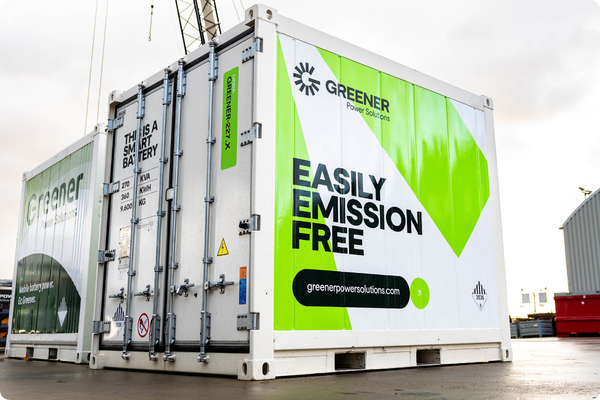
Installation complexity significantly impacts labour costs, with rooftop installations requiring crane access and underground systems needing excavation work. Container-based systems like modular 281 kWh or 422 kWh units offer easier removal compared to custom-built installations integrated into building structures.
Local regulations create compliance costs that vary by region, with some areas requiring environmental impact assessments or soil contamination testing. Recycling market conditions affect material recovery values, potentially offsetting disposal costs when commodity prices are high. Timing considerations include seasonal access restrictions, facility capacity, and labour availability that can influence overall project costs.
How can you reduce battery decommissioning costs through proper planning?
Early planning during system design can reduce battery decommissioning costs by 30 to 50% through selecting recyclable battery technologies and establishing dedicated decommissioning reserve funds. Choosing modular systems with standardised components simplifies removal, reduces labour requirements, and lowers battery disposal fees compared to bespoke installations that require custom dismantling procedures.
Establishing decommissioning funds during system operation helps spread costs over the battery’s lifecycle rather than facing large expenses at end-of-life. Negotiating removal services with original installers often provides cost advantages through existing site knowledge and equipment availability. These arrangements can include decommissioning clauses in initial installation contracts.
Timing decommissioning with favourable market conditions maximises material recovery values and minimises disposal fees. Battery replacement strategies can coordinate new system installation with old system removal, sharing mobilisation costs and site preparation expenses. Selecting battery technologies with high recycling value, such as lithium-ion systems with recoverable materials, can offset disposal costs through material sales.
What happens if you don’t properly budget for battery decommissioning costs?
Inadequate decommissioning budgeting creates unexpected expenses that can reach 10-15% of the original system cost, straining operational budgets and potentially delaying removal projects. Insufficient funding may force operators to choose cheaper disposal methods that don’t meet environmental standards, resulting in regulatory penalties and legal liabilities.
Delayed decommissioning due to budget constraints creates ongoing maintenance costs for non-operational systems and potential safety risks from degrading battery components. Insurance liabilities may increase for sites containing end-of-life batteries, particularly if proper decommissioning timelines aren’t met according to manufacturer recommendations.
Financial shortfalls can impact future renewable energy investments by reducing available capital and affecting project financing terms. Lenders increasingly scrutinise decommissioning plans and funding arrangements, with inadequate provisions potentially affecting loan approval or increasing borrowing costs. Poor decommissioning planning also creates reputational risks that may complicate future project development and stakeholder relationships.
Understanding battery decommissioning costs and disposal fees helps you make informed decisions about energy storage investments and full lifecycle planning. Proper budgeting, battery chemistry selection, and early strategic planning can reduce end-of-life expenses by 30 to 50 percent whilst ensuring regulatory compliance and environmental responsibility. We provide comprehensive energy storage system design and integration consulting that incorporates decommissioning planning from project inception, covering battery recycling strategy, site restoration, and compliance with UK and European regulations. This helps you optimise both operational performance and total lifecycle costs throughout your battery system’s lifespan. Request a free decommissioning consultation to receive a project-specific cost assessment from our team.