Blog
The rapid expansion of electric vehicle fleets has created unprecedented demand for commercial EV charging solutions, particularly those equipped with battery backup systems. For equipment rental companies and fleet managers, understanding EV charging power requirements becomes crucial when evaluating mobile EV charging rental opportunities. These systems not only provide reliable charging infrastructure but also offer significant revenue potential through rental operations whilst supporting the transition to sustainable charging solutions.
Battery backup charging systems address critical challenges in fleet electrification, including grid limitations, peak demand management, and power reliability. Whether you’re considering portable EV charging stations for temporary deployments or permanent fleet charging infrastructure, proper power planning ensures optimal performance and return on investment.
Understanding EV charging power basics
EV charging power requirements vary significantly across three primary charging levels, each designed for specific applications and charging speeds. Level 1 charging operates at 120V AC, delivering 1.4 to 1.9 kW of power through standard household outlets. This method provides approximately 3-5 miles of range per hour of charging, making it suitable for overnight residential charging but impractical for commercial fleet operations.
Level 2 charging represents the most common commercial solution, operating at 240V AC with power outputs ranging from 3.3 kW to 22 kW. These systems typically deliver 10-60 miles of range per hour, depending on the vehicle’s onboard charger capacity and the charging station’s power output. Most commercial fleet charging infrastructure utilises Level 2 systems due to their balance of charging speed and installation costs.
Level 3 DC fast charging provides the highest power delivery, ranging from 50 kW to 350 kW. These systems bypass the vehicle’s onboard AC-to-DC converter, delivering direct current to the battery pack. Fast charging can provide 60-200 miles of range in 20-30 minutes, making it essential for high-utilisation fleets and public charging networks.
The fundamental difference between AC and DC charging lies in power conversion location. AC charging relies on the vehicle’s onboard charger to convert alternating current to direct current for battery storage. DC charging performs this conversion within the charging station, enabling much higher power transfer rates but requiring more sophisticated equipment.
Battery backup system sizing requirements
Calculating appropriate battery capacity for EV charging operations requires careful analysis of several critical factors. Daily charging cycles form the foundation of capacity planning, considering both the number of vehicles requiring charging and their individual energy requirements. A typical electric van might require 60-80 kWh for a full charge, whilst electric lorries can demand 200-400 kWh or more.
Peak demand periods significantly impact battery sizing requirements. Fleet charging often occurs during specific windows, such as overnight periods or shift changes, creating concentrated power demands that exceed grid capacity. Battery backup systems must accommodate these peak loads whilst maintaining sufficient reserve capacity for unexpected charging requirements.
Backup duration requirements depend on operational criticality and grid reliability. Essential fleet operations might require 4-8 hours of autonomous charging capability, whilst less critical applications might accept shorter backup periods. This directly influences the total energy storage capacity needed.
Lithium-ion battery specifications play a crucial role in system design. Modern commercial battery systems for rental applications typically offer energy densities of 150-250 Wh/kg, with cycle lives exceeding 6,000 charge-discharge cycles. Depth of discharge limitations, usually 80-90% of total capacity, must be factored into usable energy calculations.
Mobile charging solutions for rental fleets
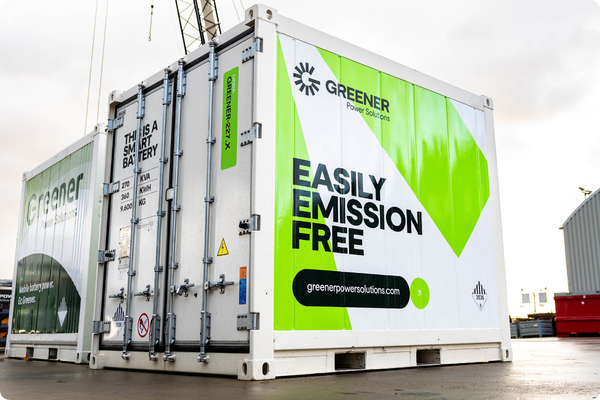
Portable EV charging stations with integrated battery backup offer exceptional flexibility for rental business models. These systems combine charging infrastructure with energy storage in transportable configurations, enabling deployment at temporary sites, events, or locations with limited grid connectivity.
Trailer-mounted charging solutions typically house 400-600 kWh of battery capacity alongside multiple charging ports. These systems can support simultaneous charging of 4-8 vehicles, depending on power requirements and charging speeds. The mobility advantage allows rental companies to serve diverse customer needs whilst maximising asset utilisation across multiple locations.
Skid-mounted systems offer a more compact alternative, typically providing 200-400 kWh of storage capacity in easily transportable packages. These units excel in applications requiring rapid deployment and repositioning, such as construction sites or temporary fleet operations.
Deployment flexibility represents a key advantage for rental companies. Mobile charging solutions can be relocated based on demand patterns, seasonal requirements, or customer-specific needs. This adaptability maximises revenue potential whilst providing customers with scalable charging infrastructure that grows with their fleet electrification journey.
Installation and infrastructure considerations
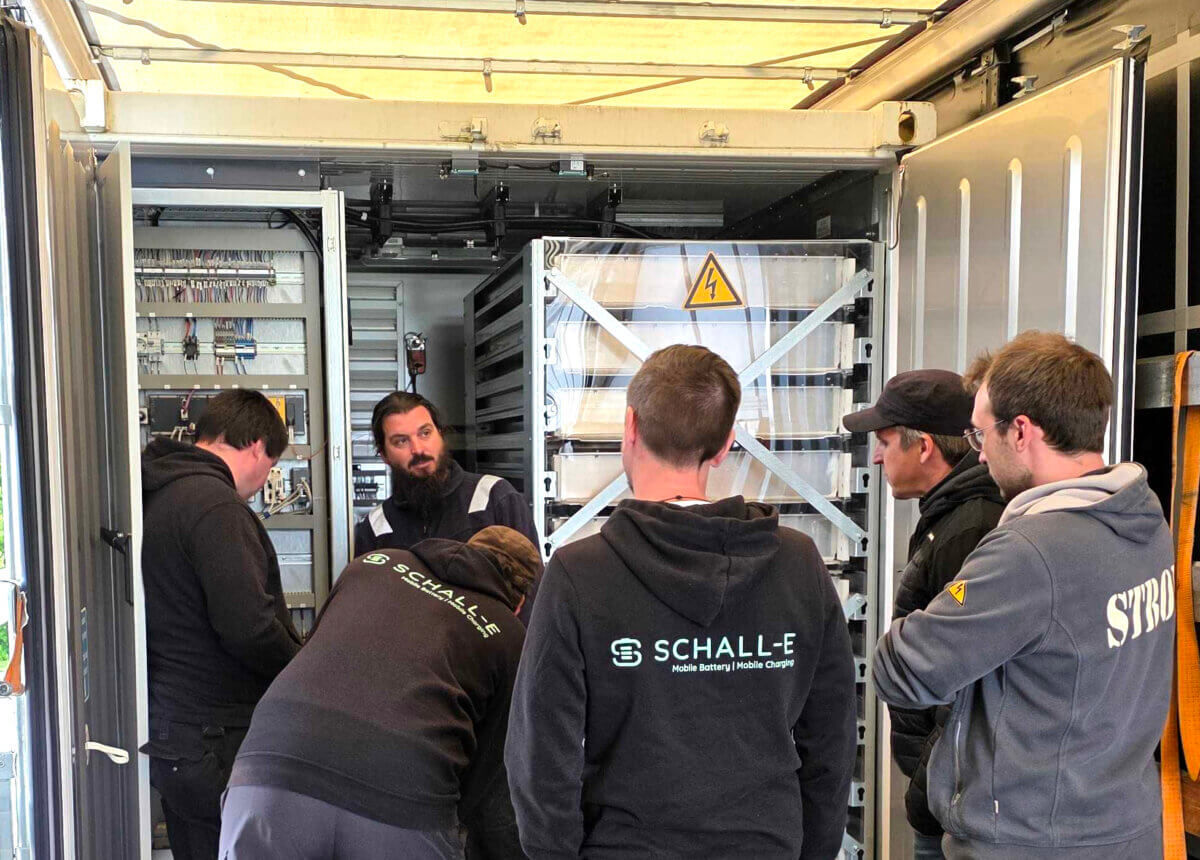
Integrating battery backup systems with EV charging infrastructure requires careful attention to electrical connections and safety systems. Primary electrical connections must accommodate both AC and DC power flows, with appropriate switching mechanisms to seamlessly transition between grid power and battery backup during outages or peak demand periods.
Safety systems form a critical component of any battery backup installation. These include thermal management systems to prevent overheating, fire suppression systems appropriate for lithium-ion batteries, and emergency shutdown mechanisms accessible to operators. Continuous monitoring systems track battery performance, charging status, and potential fault conditions.
Grid-tie options enable sophisticated power management strategies. Bidirectional inverters allow batteries to both charge from the grid during off-peak periods and discharge back to the grid during peak demand, potentially generating additional revenue through grid services participation.
Permitting and compliance requirements vary by location but typically include electrical permits, environmental assessments, and safety certifications. Local authorities may require detailed system specifications, installation drawings, and commissioning reports before authorising operation.
Cost analysis and ROI calculations
Investment costs for EV charging systems with battery backup vary significantly based on system size and complexity. A typical 400 kWh battery backup system with integrated charging infrastructure ranges from £200,000 to £400,000, depending on charging capacity and installation requirements.
Operational expenses include electricity costs, maintenance, insurance, and potential battery replacement after 8-12 years of service. However, these costs are offset by multiple revenue streams available to rental companies, including daily rental fees, energy sales, and potential grid services revenue.
Revenue potential depends on utilisation rates and pricing strategies. Daily rental rates for mobile charging systems typically range from £150 to £500, depending on capacity and included services. High-demand periods, such as major events or emergency deployments, can command premium pricing.
| System Configuration | Initial Investment | Daily Revenue Potential | Payback Period |
|---|---|---|---|
| Small Mobile Unit (200 kWh) | £150,000 – £250,000 | £150 – £300 | 3-5 years |
| Medium Trailer System (400 kWh) | £250,000 – £400,000 | £300 – £500 | 2-4 years |
| Large Stationary System (800 kWh) | £400,000 – £600,000 | £500 – £800 | 2-3 years |
Common challenges and solutions
Power demand management presents ongoing challenges for rental companies operating EV charging systems. Simultaneous charging of multiple vehicles can create demand spikes that exceed battery capacity or trigger expensive demand charges. Smart charging algorithms and load balancing systems help distribute power efficiently across connected vehicles.
Battery degradation affects long-term performance and revenue potential. Thermal management and proper charging protocols can significantly extend battery life, whilst regular capacity testing ensures accurate performance reporting to customers. Planning for battery replacement or refurbishment after 8-10 years maintains system reliability.
Maintenance requirements include regular inspections, software updates, and component replacements. Establishing relationships with qualified service providers ensures rapid response to technical issues, minimising downtime and maintaining customer satisfaction.
Customer education needs often exceed initial expectations. Many fleet operators lack experience with EV charging systems, requiring comprehensive training on proper operation, safety procedures, and optimal charging practices. Providing detailed operation manuals and technical support helps customers maximise system benefits whilst reducing service calls.
Successful implementation of EV charging systems with battery backup requires careful planning, appropriate sizing, and ongoing support. For rental companies, these systems represent significant opportunities to expand service offerings whilst supporting the transition to sustainable transportation. Professional energy storage system design and integration consulting can help navigate the complexities of system selection, sizing, and deployment, ensuring optimal performance and return on investment for your rental fleet operations. To explore customised solutions for your specific requirements, contact our technical specialists today.