Blog
For a market stall in London, you’ll typically need a mobile battery capacity between 336 and 562 kWh, depending on your specific equipment requirements. A typical food stall with basic lighting, payment systems, and small refrigeration units usually operates well with a 336 kWh system, while stalls with extensive heating elements or multiple refrigeration units may require 422–562 kWh of capacity to ensure reliable operation throughout trading hours.
What power requirements do typical market stalls actually have?
Most London market stalls require between 5 and 15 kW of continuous power during trading hours, with equipment varying significantly based on the type of goods sold. Basic lighting systems typically consume 0.5–2 kW, while LED strip lighting for product displays adds another 0.3–1 kW to your total power draw.
Payment systems, including card readers, tablets, and point-of-sale equipment, generally use 0.2–0.5 kW combined. However, the largest power consumers are refrigeration units, which can draw 2–6 kW depending on size and efficiency ratings. Small display fridges typically consume 1–2 kW, while larger commercial refrigeration units for food stalls may require 4–6 kW of continuous power.
Heating elements present the highest power demands, with electric grills consuming 3–8 kW, hot water urns drawing 2–3 kW, and space heaters adding 1–3 kW during colder months. Coffee machines and other food preparation equipment typically add another 1–4 kW to your total requirements, making accurate load calculation important for reliable portable power solutions.
How do you calculate the right battery capacity for your specific stall setup?
Calculate your required mobile battery capacity by multiplying your total power consumption by operating hours, then adding a 20–30% safety margin. Start by listing all electrical equipment with their power ratings, then estimate daily usage hours for each item to determine your total energy requirement in kilowatt-hours.
For example, a food stall operating 8 hours a day with 2 kW of lighting, 1 kW for payment systems, 4 kW for refrigeration, and 6 kW for cooking equipment totals 13 kW. Multiplying by 8 hours gives 104 kWh of daily consumption. Adding a 25% safety margin increases this to a minimum battery capacity requirement of 130 kWh.
Consider peak power demands separately from energy capacity, as some equipment draws higher power during startup. Your battery system must handle both the continuous power load and brief surge requirements. Battery backup systems should also account for charging time availability, weather conditions affecting solar charging, and potential equipment additions during busy periods.
What’s the difference between lithium and lead-acid batteries for market stalls?
Lithium batteries offer three to four times the lifespan and around a 50% weight reduction compared to lead-acid batteries, making them more suitable for mobile market operations despite higher upfront costs. Lithium systems provide consistent power output throughout their discharge cycle, while lead-acid batteries experience voltage drops as they discharge.
Lithium batteries charge faster, typically reaching 80% capacity in 2–3 hours compared to 6–8 hours for lead-acid systems. This faster charging is important for market vendors who need quick turnaround between trading days or during short charging windows. Lithium systems also operate efficiently in varying temperatures and require minimal maintenance.
Lead-acid batteries cost less initially but require replacement every 3–5 years, while quality lithium systems last 10+ years with proper care. The weight difference becomes significant for portable applications, with lithium batteries weighing approximately half as much as an equivalent lead-acid capacity. Lithium batteries are also about 95% recyclable, supporting sustainability requirements that are increasingly important for London market operations.
Which portable power solutions work best for London’s market regulations?
London markets typically require emission-free power solutions during trading hours, making battery-based mobile power stations the preferred choice over diesel generators. Most London boroughs restrict generator use in market areas due to noise and emission concerns, particularly in residential neighbourhoods and covered market halls.
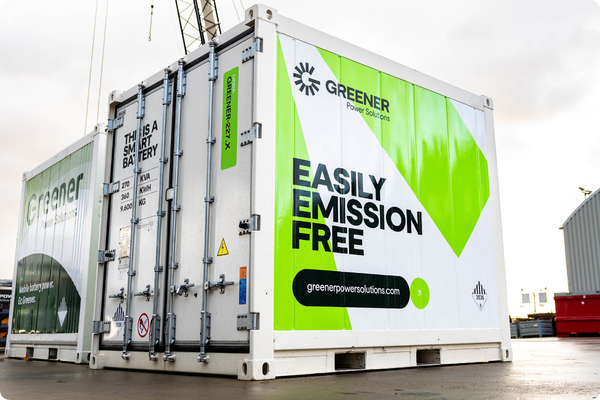
Container-based battery systems ranging from 336 to 562 kWh of capacity work well for London market stalls, providing sufficient power for full trading days while meeting transportation requirements. These systems typically measure around 3 metres in length and can be positioned near stalls without violating space restrictions common in London markets.
Hybrid systems combining batteries with solar panels offer extended operation for multi-day markets or reduced charging requirements. Many London markets now provide charging points for battery systems during non-trading hours, making overnight charging feasible. The mobile nature of battery solutions also allows vendors to charge systems off-site and transport them to market locations, providing flexibility for various London market configurations and regulations.
Choosing the right mobile battery capacity for your London market stall requires careful consideration of your specific power requirements, operating schedule, and local regulations. Professional energy storage system design and integration consulting can help you optimise your power solution, ensuring reliable operation while meeting London’s increasingly strict environmental requirements. We specialise in helping market vendors and event operators select and implement the most effective portable power solutions for their specific needs and you can contact us for expert guidance.