Blog
For equipment rental business owners seeking to expand their power solution offerings, peak shaving with battery storage systems represents a transformative opportunity to reduce operational costs whilst meeting growing demand for sustainable rental equipment. This energy management strategy uses commercial battery storage to automatically reduce electricity consumption during peak demand periods, significantly lowering utility charges and creating new revenue streams through mobile power rental services.
Understanding peak shaving fundamentals can help rental businesses diversify their fleet offerings, provide customers with emission-free alternatives to diesel generators, and achieve substantial cost savings. This comprehensive guide explores how battery storage systems work for demand charge management, practical integration strategies for rental fleets, and proven approaches to overcome common implementation challenges.
Peak shaving fundamentals for rental businesses
Peak shaving involves strategically reducing electricity consumption during periods of highest demand, typically when utility rates are most expensive. For equipment rental companies, this presents a dual opportunity: reducing operational costs at rental facilities whilst offering customers advanced battery rental solutions that eliminate their peak demand charges entirely.
Battery storage systems achieve peak shaving through intelligent demand management. When electricity demand approaches predetermined thresholds, the system automatically switches to battery power, preventing costly peak demand charges. Modern lithium-ion batteries can deliver substantial power output whilst maintaining compact, transportable designs suitable for rental applications.
The core mechanics involve continuous monitoring of energy consumption patterns, predictive algorithms that anticipate peak periods, and seamless switching between grid power and battery storage. For rental businesses, this technology creates opportunities to offer customers sophisticated energy management solutions that were previously available only to large industrial facilities.
Battery storage system components
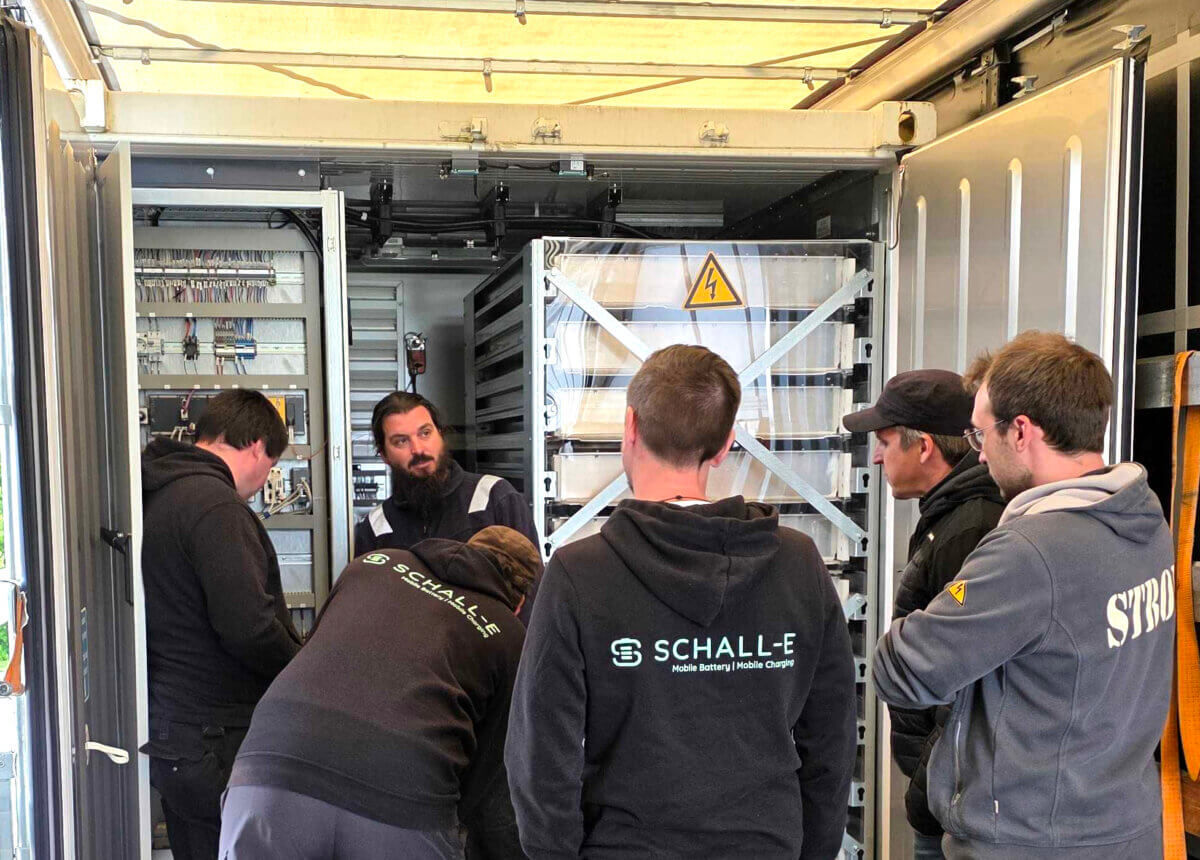
Commercial battery storage systems comprise several key components working together for optimal peak shaving performance. The battery cells store energy during low-demand periods, whilst inverters convert stored DC power to AC power for immediate use. Advanced monitoring systems track consumption patterns and automatically trigger peak shaving responses.
Modern systems integrate safety features including automatic shutdown mechanisms, continuous temperature monitoring, and emergency stop switches. These safety systems ensure reliable operation in diverse rental environments, from construction sites to temporary events requiring substantial power capacity.
How do battery storage systems reduce operational costs?
Battery storage systems deliver energy cost reduction through multiple mechanisms that directly benefit equipment rental businesses and their customers. Demand charge reduction represents the most significant savings opportunity, as utility companies typically charge commercial customers based on their highest power consumption during peak periods.
Time-of-use optimisation allows businesses to charge batteries during off-peak hours when electricity rates are lowest, then discharge during expensive peak periods. This strategy can reduce electricity costs by thirty to sixty percent, depending on local utility rate structures and consumption patterns.
For rental companies, these cost savings translate into competitive advantages. Customers seeking sustainable rental equipment increasingly prioritise solutions that reduce their operational expenses whilst meeting environmental commitments. Battery storage systems address both requirements simultaneously.
| Cost Reduction Mechanism | Typical Savings Range | Primary Benefit |
|---|---|---|
| Demand charge reduction | 20-50% of electricity costs | Lower peak consumption charges |
| Time-of-use optimisation | 15-30% of energy costs | Shift consumption to cheaper periods |
| Diesel generator replacement | 30-60% fuel savings | Reduced fuel costs and emissions |
| Grid connection augmentation | Avoid expensive upgrades | Increased power capacity without infrastructure |
Fleet operational benefits
Beyond direct cost savings, battery storage systems offer operational advantages that enhance rental fleet efficiency. Reduced maintenance requirements compared to diesel generators lower ongoing service costs, whilst quiet operation expands potential rental applications to noise-sensitive environments.
The modular nature of modern battery systems for rental allows rental companies to scale power capacity based on specific customer requirements. This flexibility maximises equipment utilisation rates whilst minimising inventory costs associated with maintaining diverse generator sizes.
Rental fleet integration and mobile power opportunities
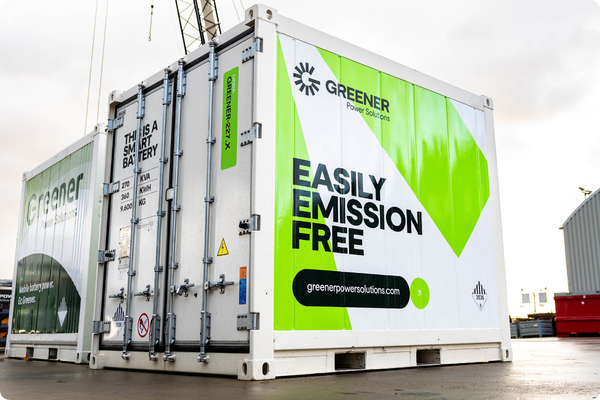
Integrating battery storage systems into rental fleets opens substantial opportunities for mobile power rental services. Modern battery systems feature compact, transportable designs that allow easy deployment across diverse customer applications, from construction sites requiring temporary power to events needing reliable, emission-free electricity.
Portable power solutions address growing customer demand for sustainable alternatives to traditional diesel generators. Battery systems eliminate noise pollution, reduce emissions, and provide consistent power output without the fuel logistics challenges associated with conventional generators.
Equipment rental companies can expand their service offerings by combining battery storage with complementary renewable energy solutions. Solar panels and wind turbines can charge batteries during optimal conditions, creating comprehensive sustainable power packages that appeal to environmentally conscious customers.
Mobile energy storage applications
Mobile battery systems excel in applications requiring reliable power without grid connections. Construction projects in remote locations benefit from emission-free power that meets increasingly strict environmental regulations. Events and festivals can eliminate generator noise whilst reducing their carbon footprint.
Electric vehicle charging represents another growing opportunity, as battery systems can provide fast charging capabilities even with limited grid connections. This application addresses the expanding electric vehicle market whilst creating new revenue streams for forward-thinking rental companies.
Emergency power applications offer additional market opportunities, as battery systems provide immediate backup power without the startup delays associated with diesel generators. This reliability proves crucial for critical applications requiring uninterrupted power supply.
Overcoming common peak shaving implementation challenges
Initial investment concerns often represent the primary obstacle for rental businesses considering battery storage systems. However, comprehensive energy storage system design and integration consulting can help identify optimal system configurations that maximise return on investment whilst minimising upfront costs.
Technical integration challenges typically involve coordinating battery systems with existing electrical infrastructure and monitoring systems. Professional consultation ensures seamless integration that maintains operational efficiency whilst adding peak shaving capabilities.
Operational workflow adjustments require staff training and procedure updates to accommodate new battery management responsibilities. Successful implementation involves comprehensive training programmes that ensure staff can effectively monitor and maintain battery systems whilst maximising their peak shaving benefits.
Financial planning strategies
Rental companies can address investment concerns through flexible acquisition options including rental, lease, and purchase arrangements. This flexibility allows businesses to test battery storage systems with minimal initial investment before committing to larger fleet expansions.
Accurate cost-benefit analysis requires detailed assessment of current energy consumption patterns, utility rate structures, and potential rental revenue streams. Professional consultation helps identify the most cost-effective system configurations for specific business requirements.
Scaling strategies enable gradual fleet expansion as demand grows and operational experience increases. Modular battery systems support this approach by allowing capacity increases without replacing existing equipment, protecting initial investments whilst accommodating business growth.
Peak shaving with battery storage systems offers equipment rental businesses a powerful combination of cost reduction and revenue generation opportunities. By understanding the fundamentals of demand charge management, implementing appropriate integration strategies, and addressing common implementation challenges, rental companies can successfully expand their sustainable power solution offerings whilst achieving substantial operational benefits. The growing demand for emission-free alternatives to diesel generators creates compelling market opportunities for businesses ready to embrace this transformative technology. To learn more about implementing these solutions for your rental business, contact our energy specialists today.